NVDA-180 · Isaac Sim 6.0.0 on DGX Spark

Spot Robot
Obstacle Navigation

Autonomous quadruped locomotion through a multi-obstacle course, powered by reinforcement learning policy inference on NVIDIA's next-gen edge hardware.

Isaac Sim 6.0.0 DGX Spark (GB10) SpotFlatTerrainPolicy 45 RTX Screenshots
Scroll to explore ↓

Navigate a Dynamic Obstacle Course

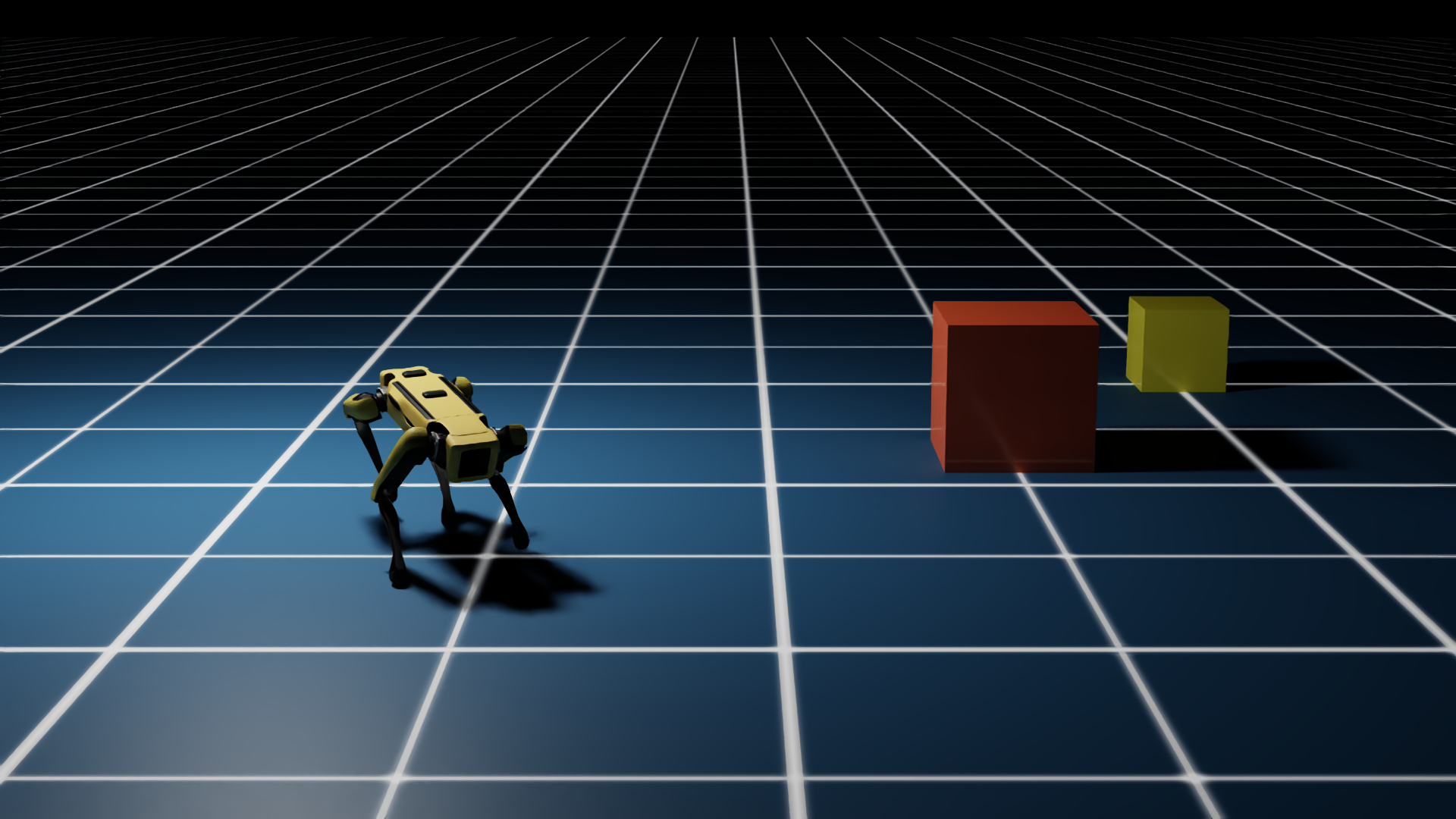
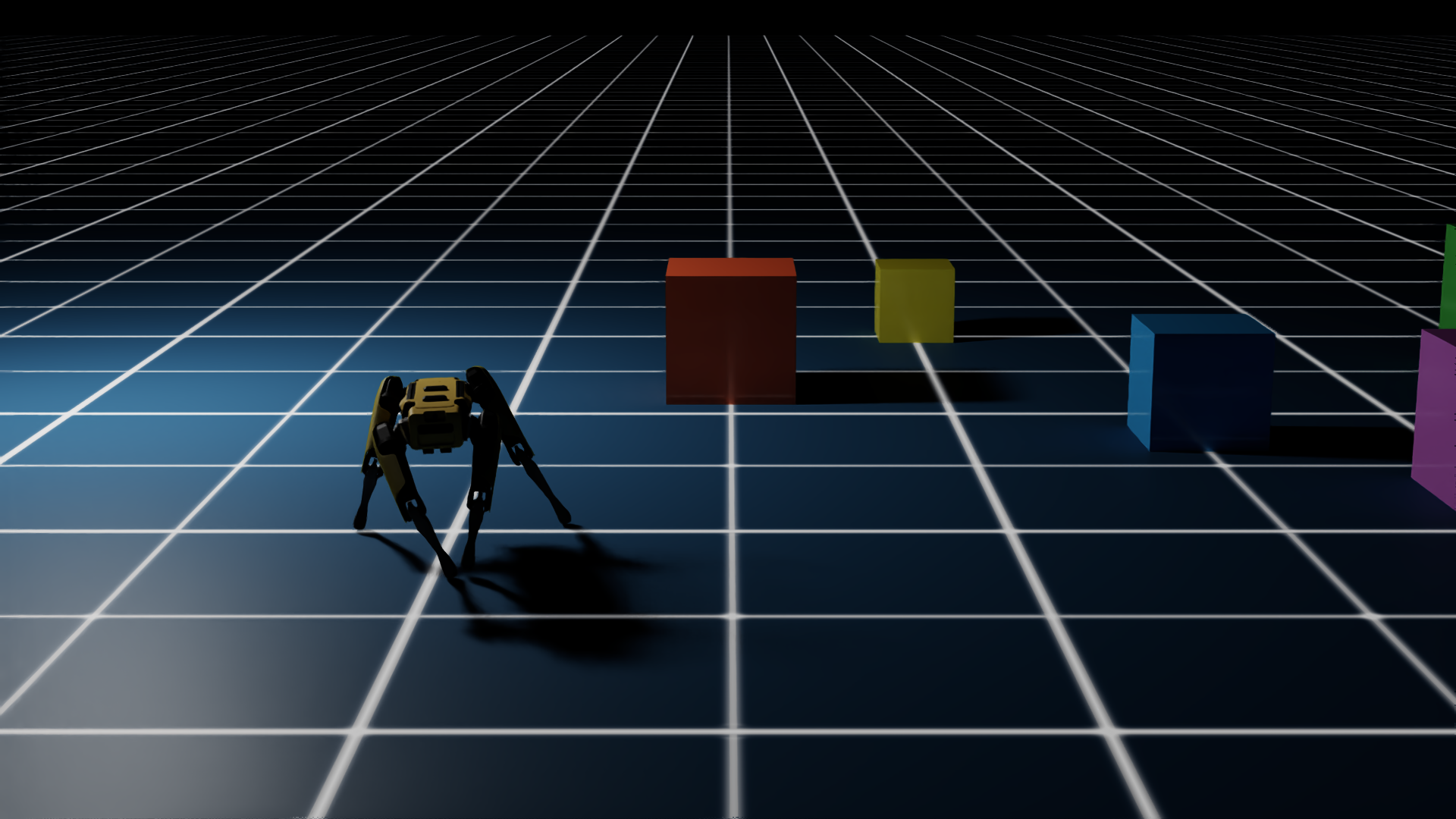
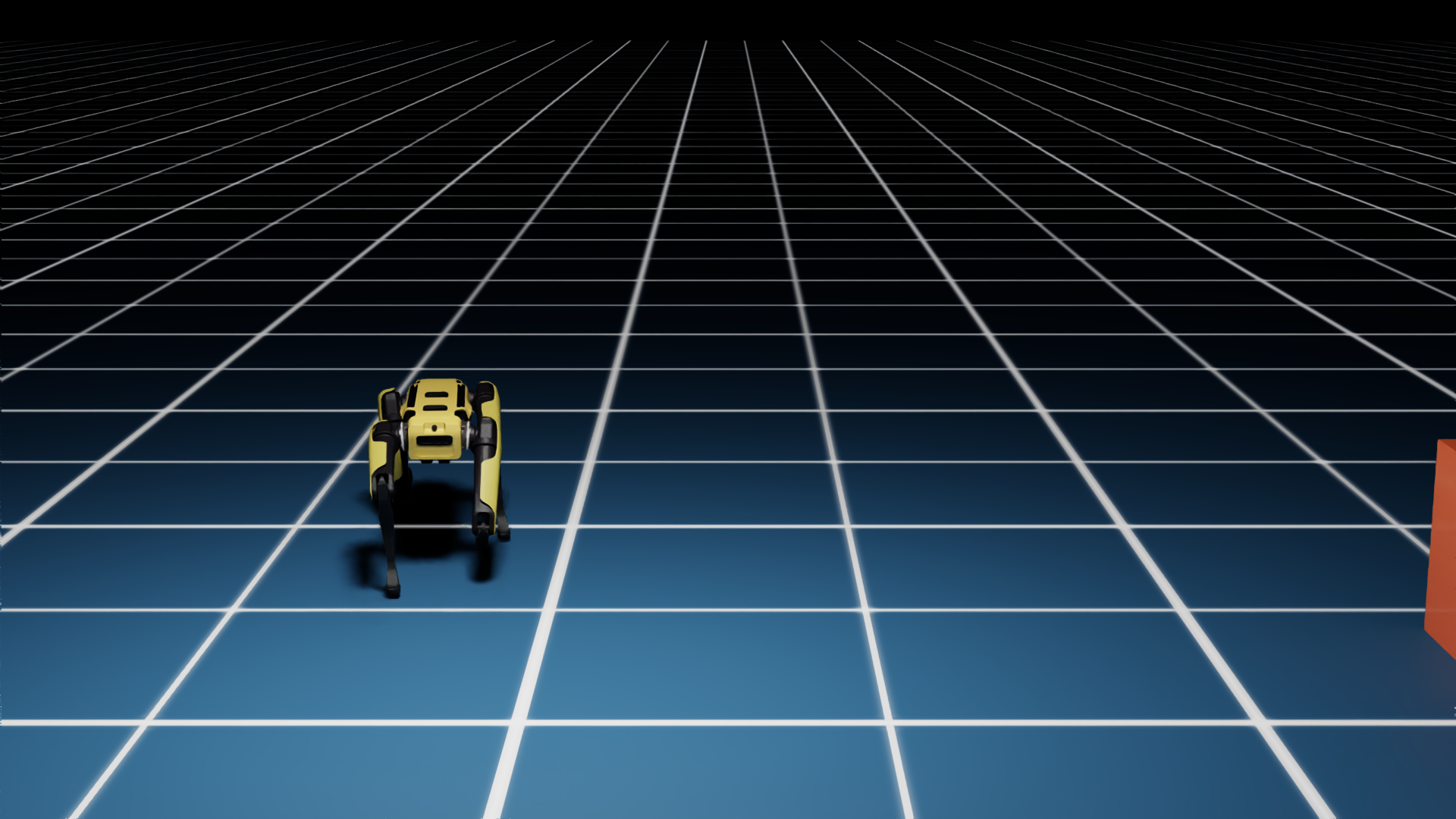
Deploy Boston Dynamics' Spot robot in a simulated environment with 5 colored obstacles arranged across a 12-meter grid. The robot must autonomously walk through the course using an RL-trained locomotion policy, while 3 cameras capture every step.

  • 12-DOF quadruped with 48-dimensional observation space
  • TorchScript JIT policy running at 200 Hz physics rate
  • 5 waypoints with proportional heading control
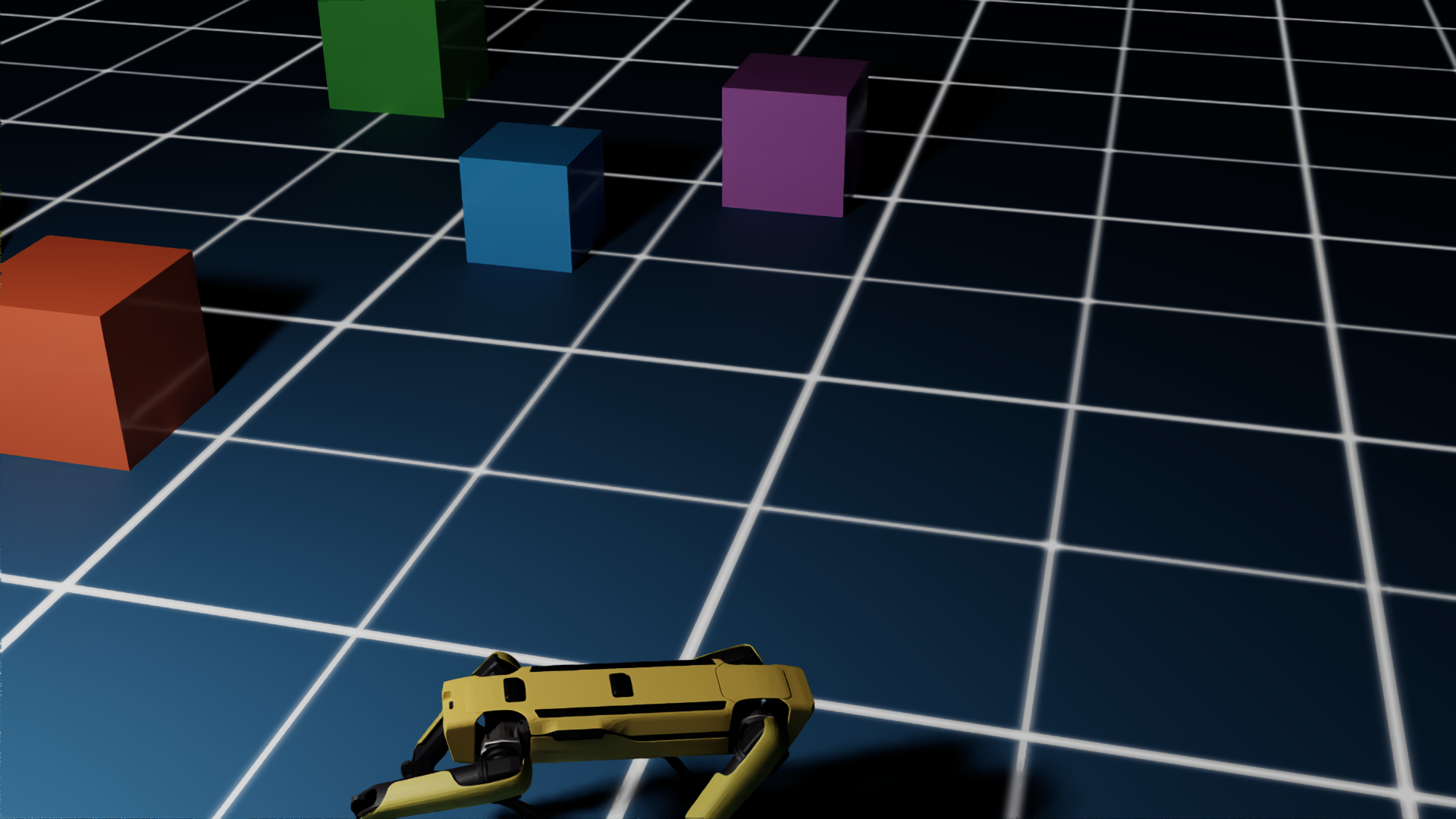
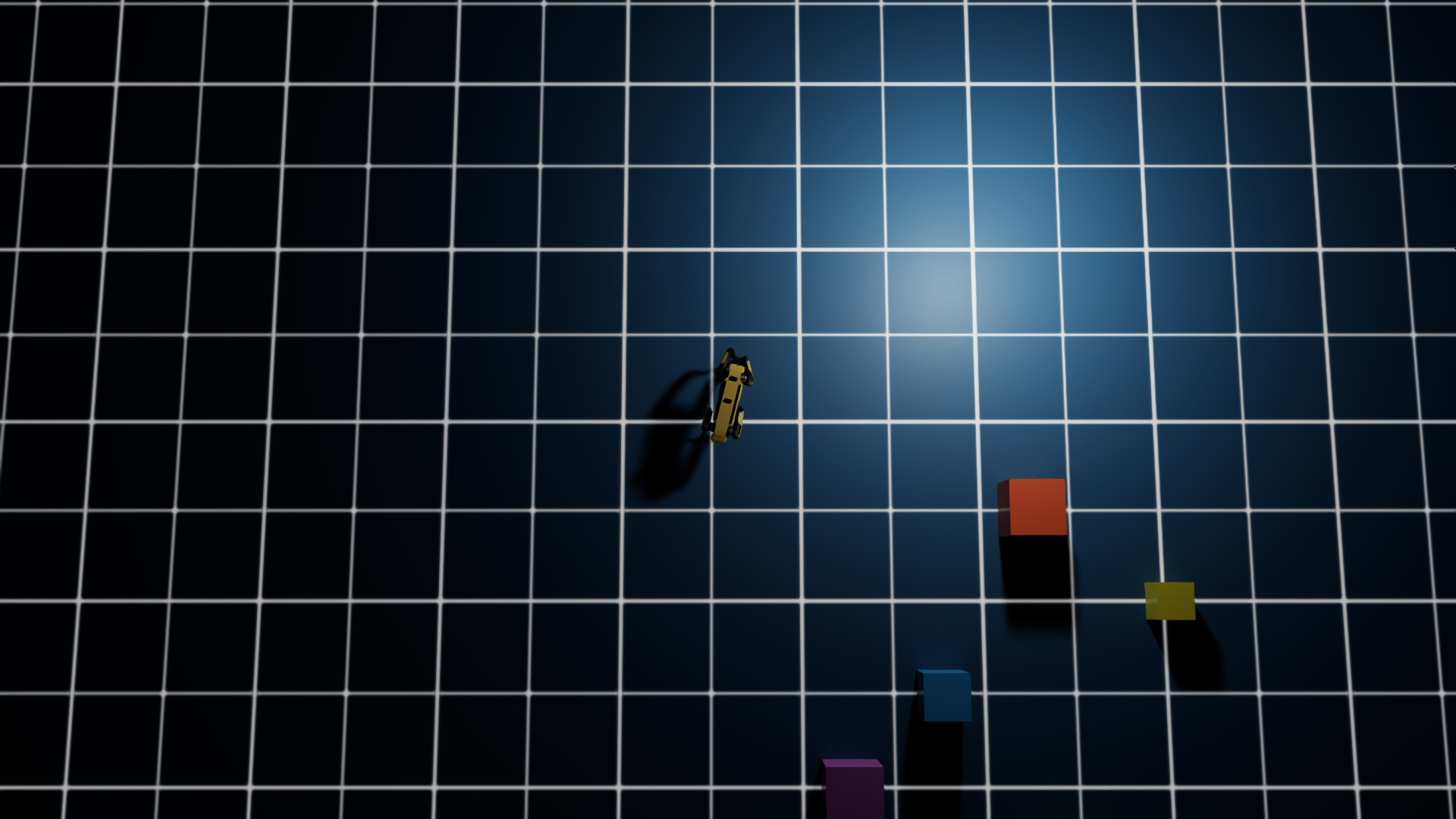
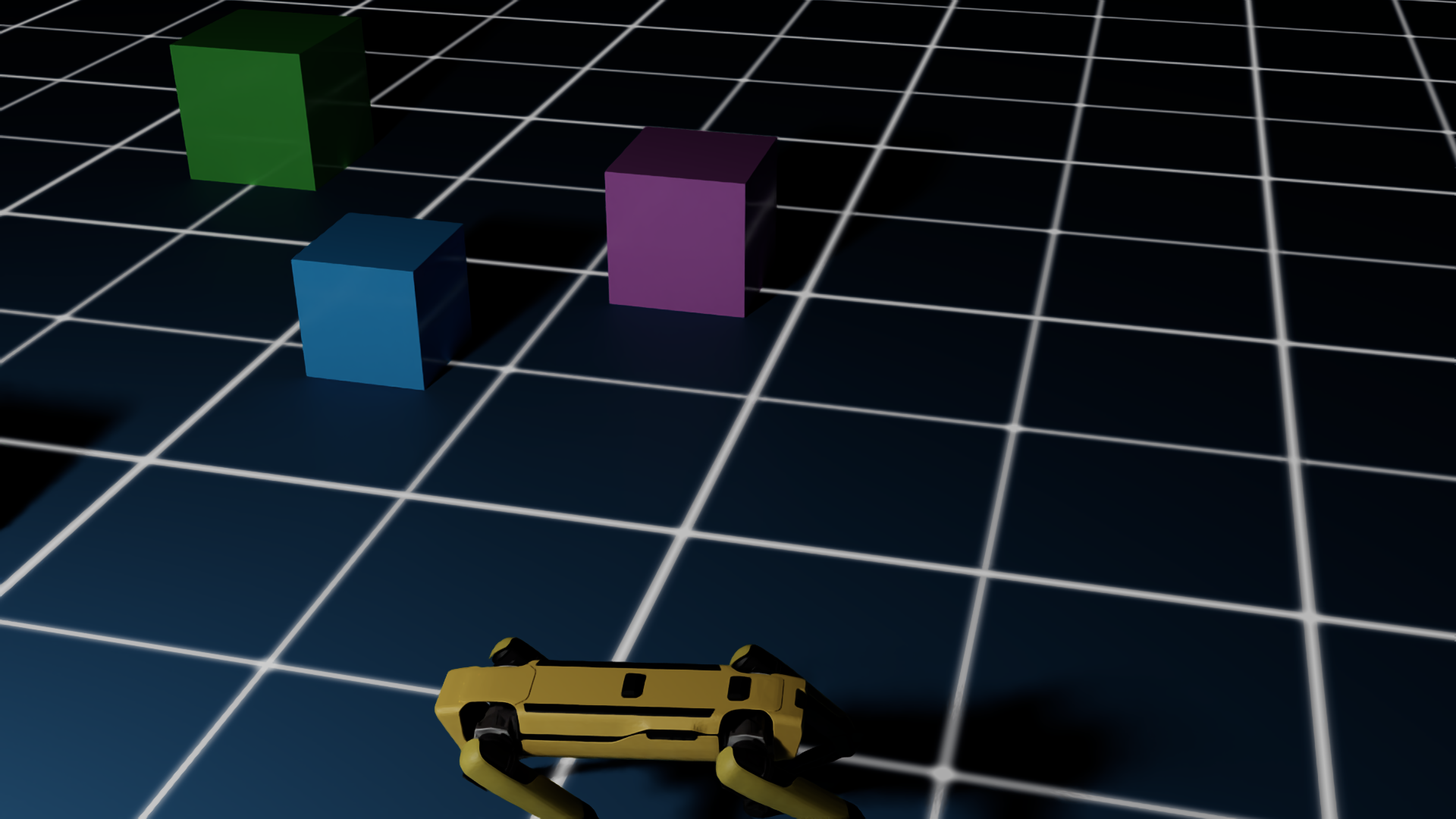
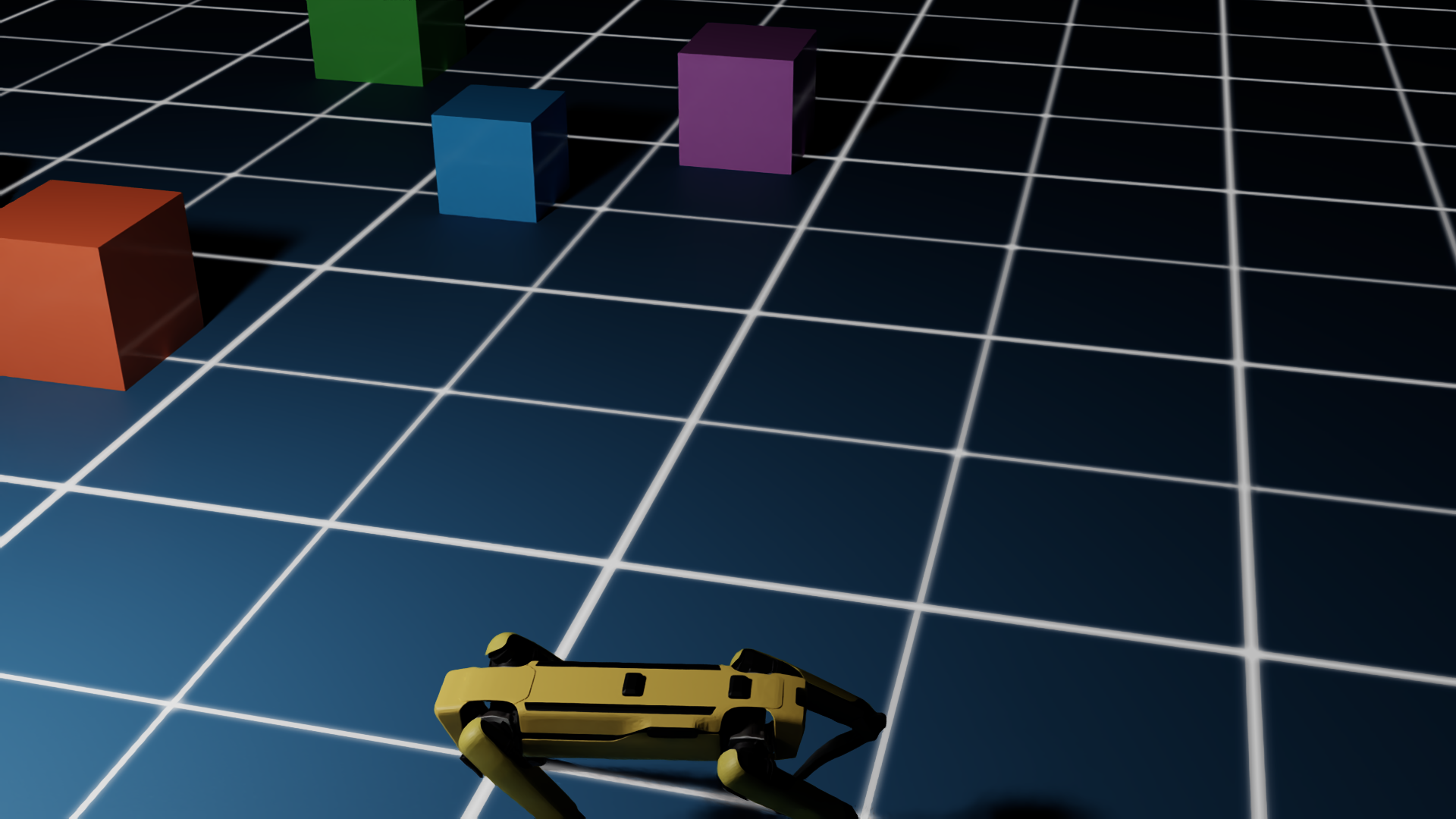
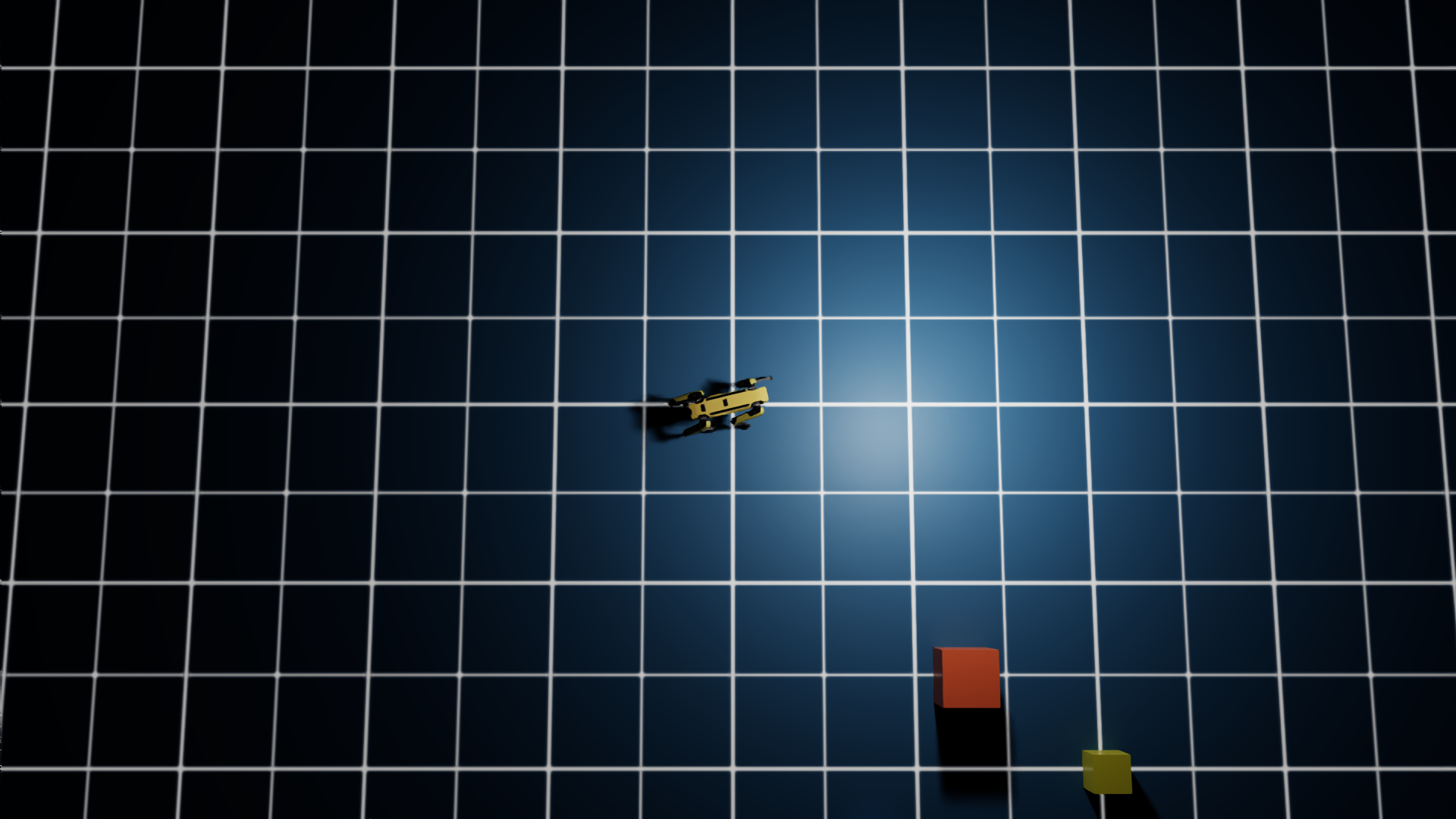
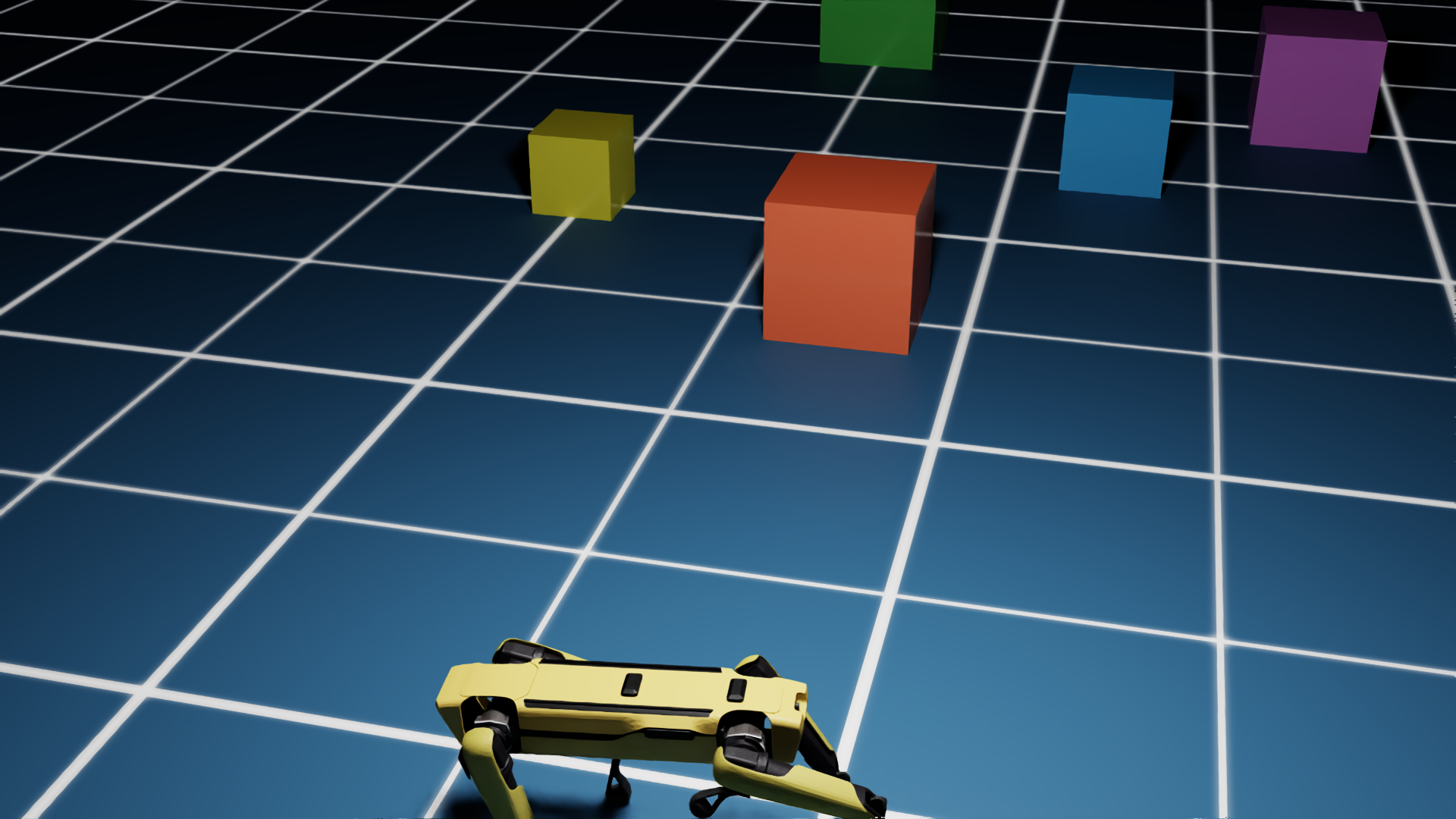
  • 3 synchronized camera angles: tracking, side, bird's-eye
  • 300 simulation steps producing 45 RTX-rendered screenshots
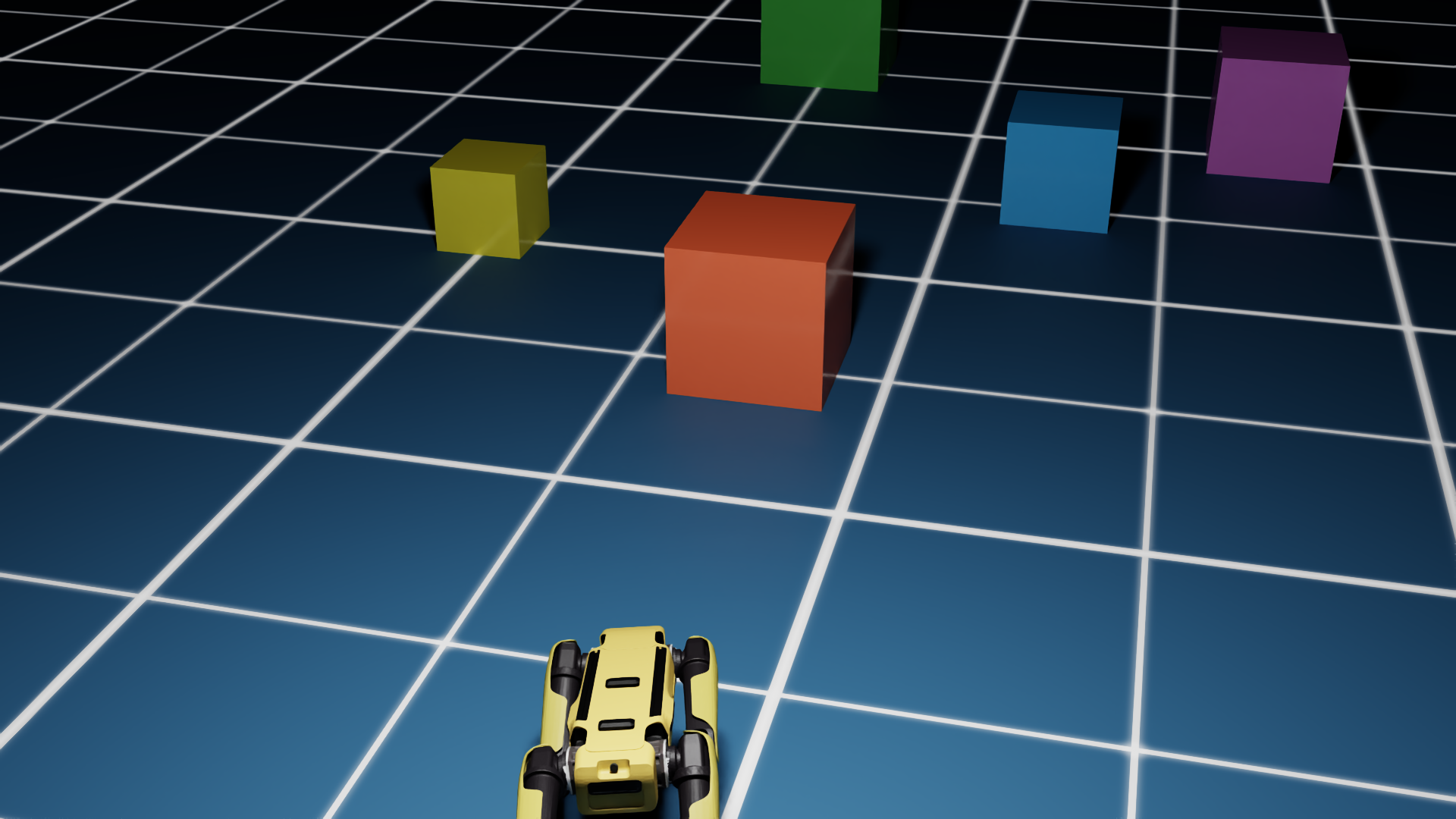
Spot facing obstacle course
300Sim Steps
45Screenshots
5Obstacles
3Camera Angles
12mCourse Length
200HzPhysics Rate

From Red Herrings to Running Robot

Getting Spot to walk on DGX Spark wasn't straightforward. Here's what we discovered along the way.

Red Herring

CUDA 12.1 Compatibility Warning

PyTorch printed a warning about CUDA 12.1 on the GB10 GPU not being officially supported. Initial investigation treated this as a blocker. Turns out the warning is benign — PyTorch tensor operations and JIT policy inference work correctly on GB10 despite the message.

Known Issue

PhysX GPU on Blackwell ARM64

GPU-accelerated PhysX is not yet available for the Blackwell aarch64 platform. The workaround: fall back to CPU PhysX, which provides identical simulation fidelity at adequate performance for single-robot scenarios.

Root Cause

Physics Timestep Mismatch

The RL policy was trained at 500 Hz in Isaac Lab, but the simulation was configured at 200 Hz. This mismatch caused the robot to exhibit unstable gait and eventually fall. The policy expects a specific relationship between observation frequency and action timing.

Solution

Match Official NVIDIA Physics Config

Setting the physics timestep to match the official Isaac Lab training configuration (500 Hz with decimation) resolved all gait instabilities. Spot walks smoothly, maintains balance, and successfully navigates through all obstacles in the course.

Navigation Path

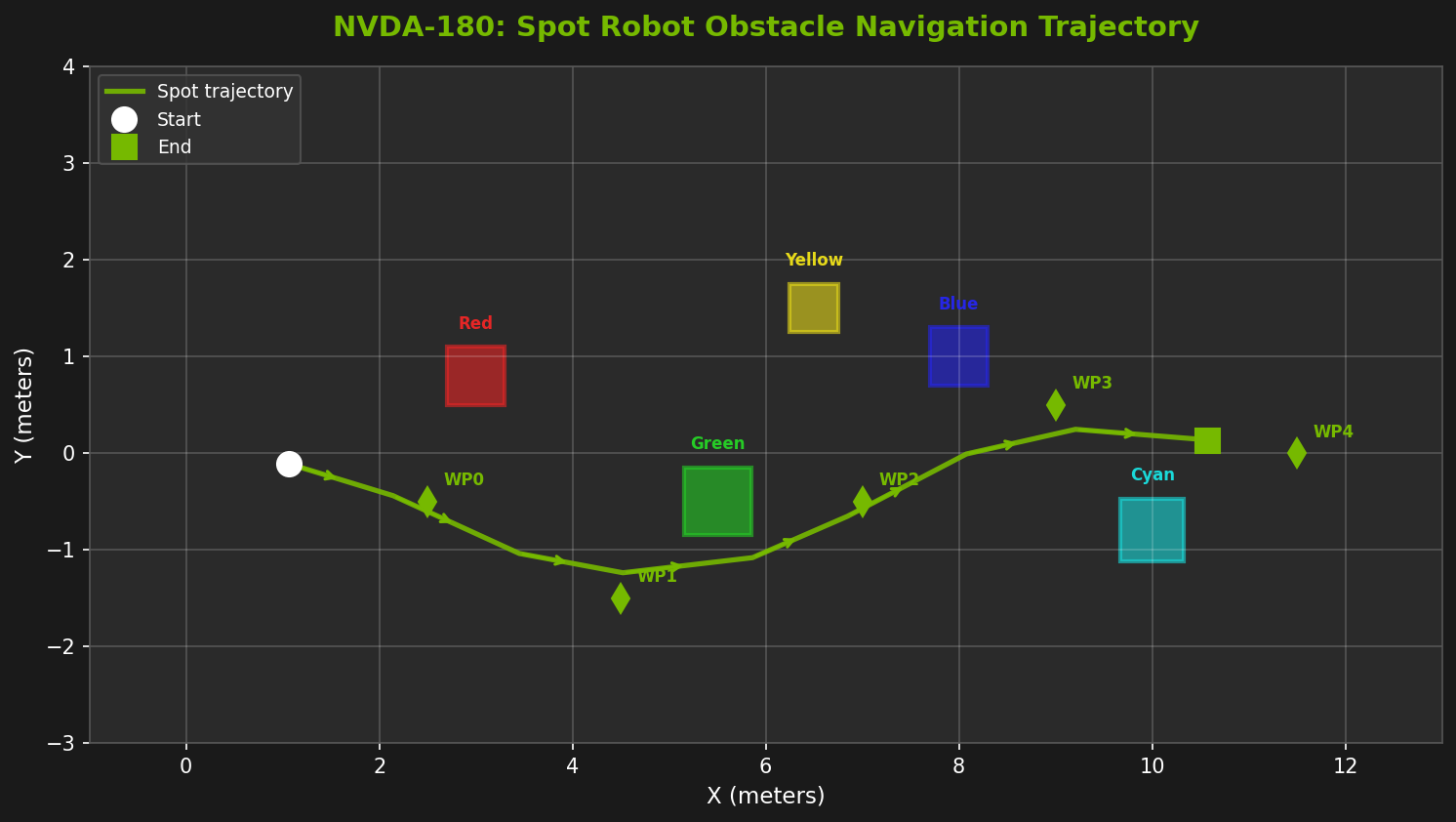
Top-down trajectory plot showing Spot's actual path through the obstacle course.

Trajectory plot

Course Details

5 colored obstacles placed across a 12m grid. Spot navigates through waypoints using proportional heading control.

  • Start: Origin (1, 0)
  • WP0: (3, -0.5)
  • WP1: (5, -1.3)
  • WP2: (7.5, -0.5)
  • WP3: (9, 0.5)
  • WP4: (11.5, 0)
  • Obstacles: Red, Green, Yellow, Blue, Cyan
  • Commands: 2 m/s fwd, rotate, strafe

Under the Hood

The complete technical stack powering Spot's autonomous navigation.

Robot Policy

SpotFlatTerrainPolicy — 12-DOF articulation, 48-dim observation vector (base velocity, angular velocity, gravity projection, commands, joint errors, joint velocities, previous actions). TorchScript JIT inference.

Physics Engine

PhysX CPU at 200 Hz. Matches Isaac Lab training config with proper decimation. POST_PHYSICS_STEP callback drives the policy loop. Position control with action scale 0.2.

Navigation

Proportional heading controller with 5 waypoints. Velocity commands: [v_x, v_y, w_z]. 2 m/s forward max, 2 rad/s turn rate, 0.8m waypoint threshold.

Platform

NVIDIA DGX Spark — GB10 (Blackwell), aarch64, 120 GB RAM. Isaac Sim 6.0.0 (Kit 109.0.2), Python 3.12, headless Vulkan rendering.

📷 Capture

Omniverse Replicator async annotator pipeline. 3 cameras (tracking, side, overview), 1920x1080 RTX path-traced frames. 15 timesteps × 3 angles = 45 screenshots.

📊 Output

45 PNG screenshots, trajectory plot (matplotlib), position CSV log. 300 simulation steps with captures every 20 steps from step 20 to 280.

SimulationApp
Isaac Sim 6.0
Kit 109.0.2
USD Stage
Ground + Obstacles
3 Cameras
PhysX CPU
200 Hz physics
500 Hz effective
SpotPolicy
TorchScript JIT
48-dim → 12 DOF
Nav Controller
P-control heading
5 waypoints
Replicator
RTX capture
1920×1080